Software Reproducibility: Git for Researchers
Essential version control strategies to ensure your code artifacts are reproducible by examiners.
“Reproducibility is the bedrock of science, yet many researchers still struggle with managing their code artifacts. 'It works on my machine' is no longer an acceptable defense in top-tier journals. Git, the industry-standard version control system, is an essential tool for any modern researcher. At Rubrich Technologies, we train scholars to use Git not just for storage, but as a documentation tool that ensures their research is reproducible and transparent.”
Version Control for Data: Moving Beyond filenames
If your project folder contains 'analysis_final_v2_REAL_FINAL.py', you have a problem. Git is not just for software engineers; it's the foundation of reproducible science. We help researchers move their entire workflow into a version-controlled environment.
By using Git, you ensure that every version of your analysis is preserved. If you realize an error from six months ago, you can 'time travel' back to exactly what the code looked like then, ensuring you never lose a breakthrough.
Collaborative Pipelines: Working in Teams Without Chaos
Research is increasingly collaborative. Git allows multiple researchers to work on the same manuscript or dataset simultaneously without overwriting each other's changes. We teach the 'Branching Strategy'—a way to explore new ideas safely before merging them into the main project.
This workflow eliminates the 'Merge Conflict' nightmare and ensures that the lead PI always has a clear view of who contributed what to the final publication.
Continuous Integration for Scientific Writing
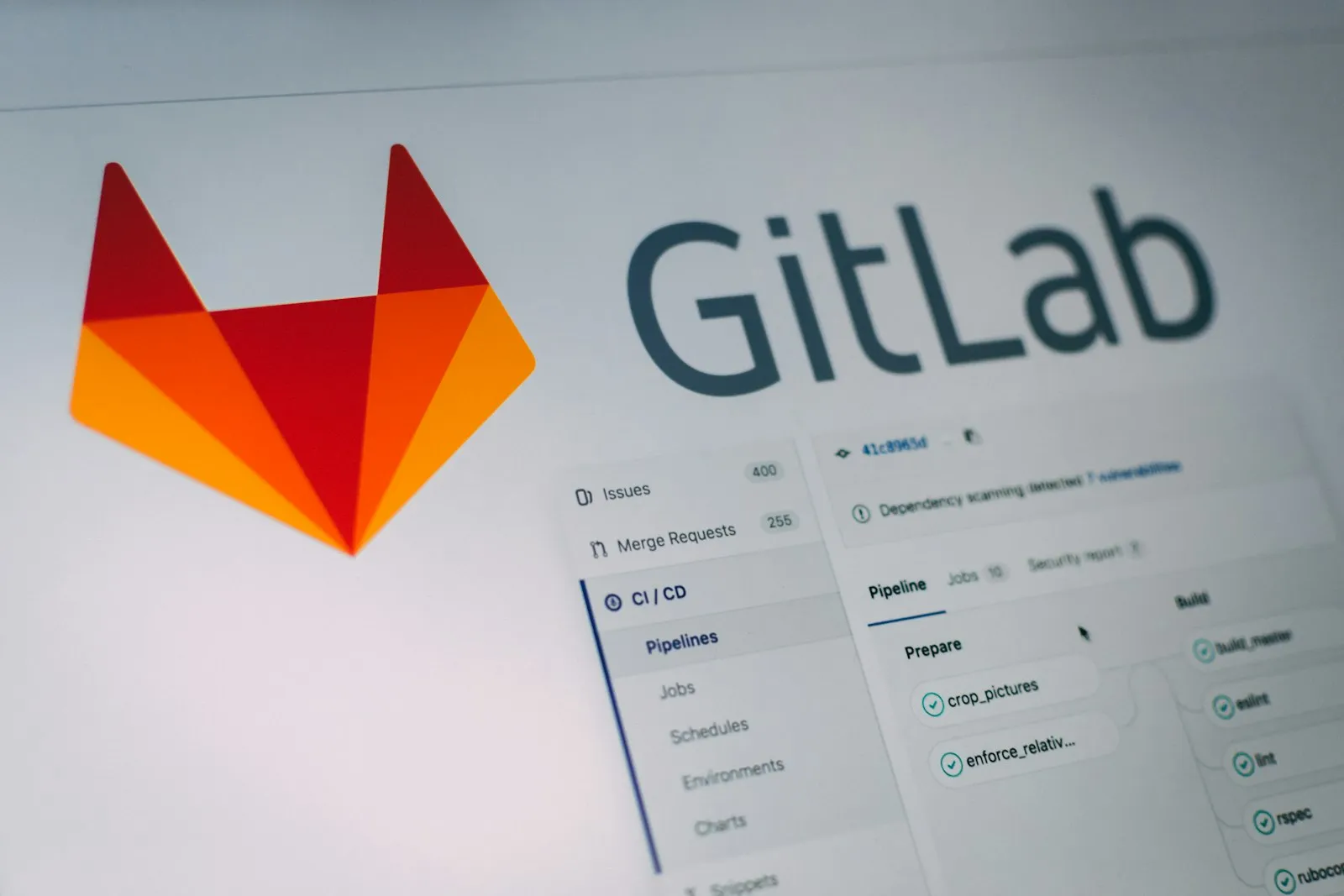
Why stop at code? We help scholars use CI/CD (Continuous Integration/Continuous Deployment) pipelines to automatically compile their LaTeX manuscripts, run their statistical tests, and generate their figures whenever they save a file.
This ensures that your results and your writing are always in sync. If your data changes, your figures update automatically across the entire paper. This is the ultimate level of research efficiency.
Docker for Scholars: Reproducible Environments
'It works on my machine' is not good enough for high-impact research. We help you containerize your entire research environment using Docker. This ensures that another researcher can run your analysis ten years from now on a different operating system and get the exact same results.
Containerization is becoming a requirement for many top-tier journals. We provide the technical support to help you build these 'Reproducibility Packages' so your work can be verified and cited by the global community.